
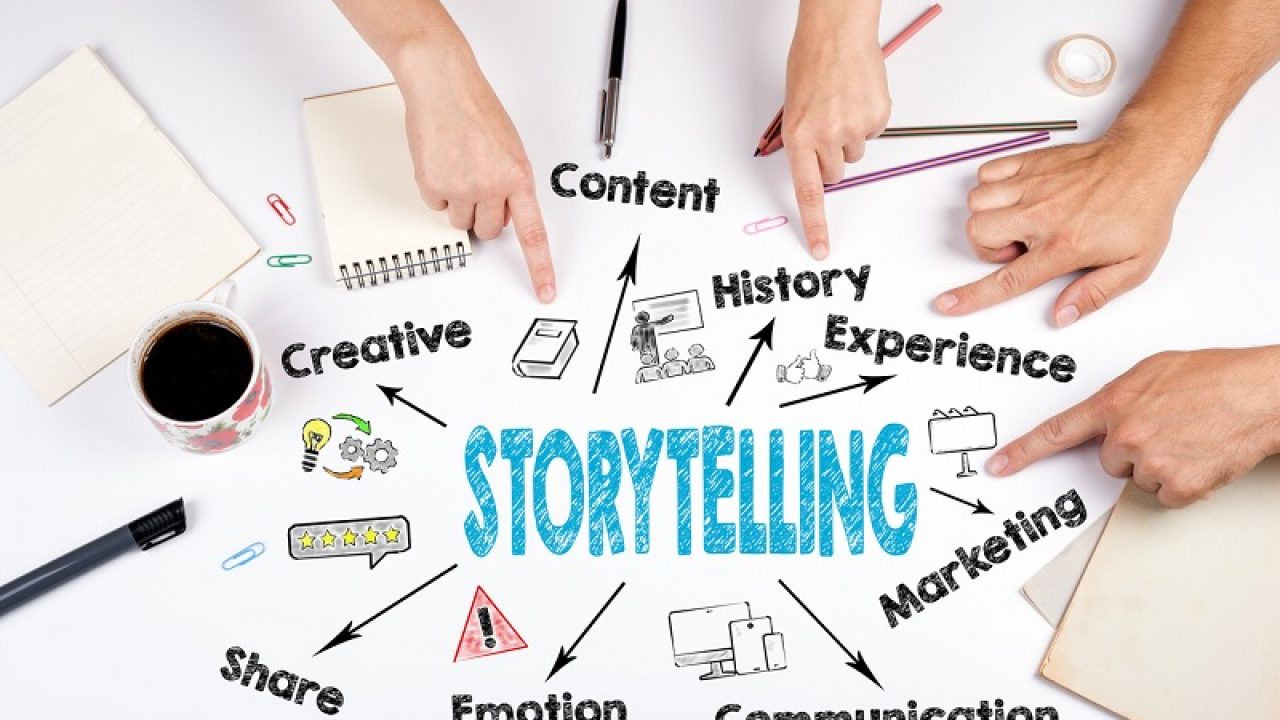
Language learning becomes truly meaningful when students are encouraged to express themselves freely, imagine boldly, and communicate with confidence. One of the most powerful and enjoyable ways to achieve this is through creative storytelling. At our school, storytelling has become an essential part of language learning because it allows students to explore vocabulary, grammar, expression, and imagination in a natural and engaging way.
Creative storytelling turns the classroom into a space where ideas flow freely and every student is invited to participate. Whether through spoken stories, written narratives, drawings, or dramatizations, storytelling gives learners the chance to use language in ways that feel personal and exciting. Instead of memorizing rules or repeating sentences, students use words to build characters, shape plots, and describe feelings. This strengthens both language skills and creative thinking.
One of the biggest strengths of storytelling is that it makes language meaningful. When students craft a story, they are not just learning words. They are using them with purpose. A character might need the right adjectives to come alive, a dialogue might require the correct tone, and a setting might call for descriptive vocabulary. These decisions deepen understanding and help students remember language naturally. Storytelling also allows them to practice grammar in context, making rules easier to grasp and apply correctly.
Storytelling also fosters confidence in communication. Many students feel hesitant when speaking or writing in a new language. However, when they are telling a story, their focus shifts from correctness to expressing ideas. This reduces fear and encourages participation. Students gradually become more comfortable sharing in front of their peers, experimenting with new vocabulary, and taking creative risks. Over time, this builds strong communication skills that benefit them in every subject.
In addition to language development, storytelling encourages collaboration. Many activities involve group story building where students brainstorm ideas, assign roles, and contribute to the narrative together. These interactions nurture teamwork, listening skills, and respect for different viewpoints. When students work together to create a story, they learn that communication is not just about speaking. It is also about supporting one another, adapting ideas, and building meaning together.
Teachers also integrate a variety of creative tools to enhance storytelling experiences. Students may use puppets, pictures, props, or digital tools to bring their stories to life. Others create storyboards, comic strips, or illustrated books that combine art with language. Role play and dramatization allow students to act out their stories, making learning energetic and memorable. These tools stimulate imagination and appeal to different learning styles, ensuring every child finds a way to participate meaningfully.
Storytelling is also a powerful way to connect language learning with cultural understanding. Students share stories from their own backgrounds and learn about tales from different parts of the world. This exchange helps them appreciate diversity, understand values, and develop empathy. They learn that stories are not only entertaining but are also reflections of identity, culture, and tradition.
In conclusion, creative storytelling is an enriching and effective method of language learning. It brings joy to the classroom, encourages expression, builds confidence, and strengthens communication skills. By using imagination and creativity, students learn language in a way that feels natural and exciting. As they craft stories, share ideas, and bring characters to life, they discover the true power of language and the endless possibilities it offers.