
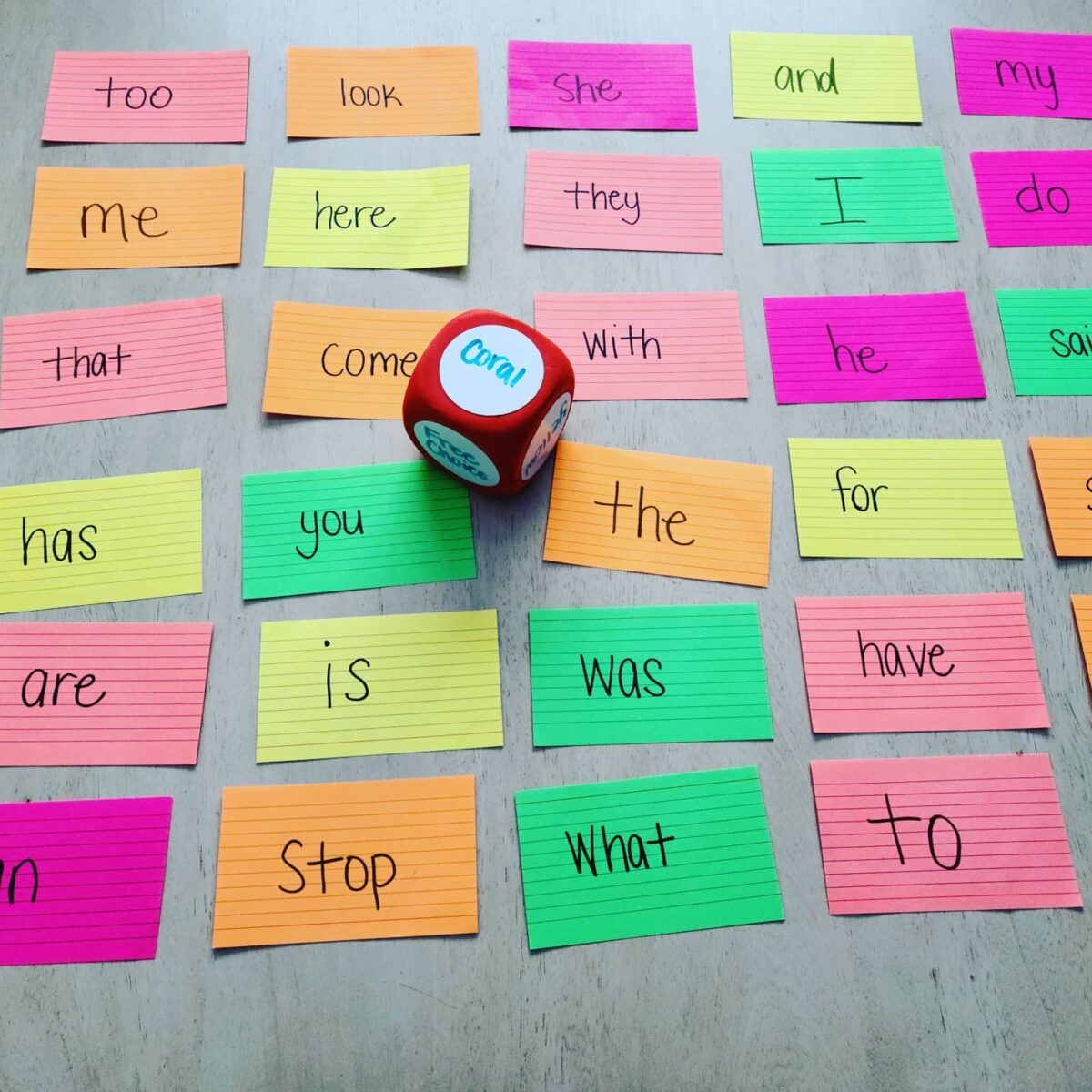
Vocabulary is the foundation of effective communication and comprehension. While learning new words may seem like a routine or even a challenging task, it can become an exciting adventure when approached creatively. At our school, students have discovered that word games make vocabulary lessons not only engaging but also deeply memorable. By turning learning into play, students develop language skills while having fun in the process.
Word games provide an interactive and hands-on approach to language learning. Classic games like scrabble, crossword puzzles, word searches, and charades encourage students to explore words in a playful context. For example, during a classroom Scrabble session, students compete to form words, enhancing their spelling, vocabulary, and strategic thinking. Crossword puzzles challenge students to think critically about word meanings and letter patterns, while word searches improve focus and recognition skills. These activities transform what might have been a repetitive memorization exercise into an engaging, interactive experience.
Beyond traditional games, students also enjoy creating their own word puzzles and challenges. In groups, they design vocabulary quizzes, create riddles, or write short stories using newly learned words. This hands-on participation encourages collaboration, sparks creativity, and reinforces the meaning and usage of words. Students find joy in seeing their peers solve puzzles they created, which motivates them to explore more words and experiment with language.
Word games also support cognitive development by improving memory, attention, and problem-solving abilities. When students play vocabulary games, they must recall word meanings, consider spelling patterns, and think critically about usage. This active engagement strengthens neural connections associated with language and comprehension. Furthermore, incorporating themes, storytelling, or role-play into word games adds context to vocabulary learning, helping students understand how words can be used in real-life communication.
The social aspect of word games adds another layer of excitement. Students often work in teams, discuss strategies, and celebrate each other’s successes. Friendly competition fosters motivation and encourages students to challenge themselves while enjoying the learning process. Games can be adapted for different levels, ensuring that every student participates meaningfully and benefits from the activity.
In addition to academic benefits, word games instill a love for language. Students become curious about new words, idioms, and expressions. They begin to experiment with words in writing and speaking, expanding their communication skills in an enjoyable way. By associating learning with play, students not only acquire vocabulary more effectively but also build confidence in using language creatively and correctly.
In conclusion, word games are a powerful tool for making vocabulary lessons fun, interactive, and memorable. They combine learning with play, encourage collaboration and critical thinking, and foster a genuine love for language. By integrating these games into classroom activities, teachers can create an environment where students enjoy discovering words, expressing themselves, and exploring the endless possibilities that language offers. Vocabulary learning becomes an adventure, proving that the fun side of language can be just as important as the academic side.
#VocabularyFun #WordGames #LanguageLearning #HandsOnLearning #ActivityBasedLearning #StudentEngagement #LearningThroughPlay #CreativeClassroom #CommunicationSkills #ClassroomActivities