
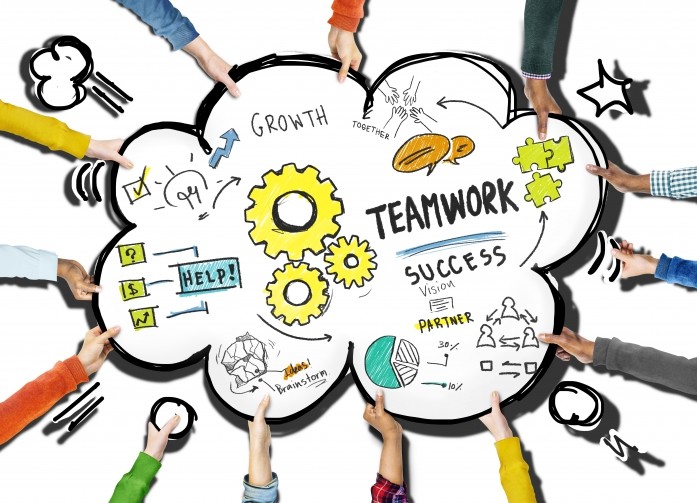
Learning is not just an individual journey; it is a shared experience that thrives when students work together. Teamwork and collaboration are essential skills that prepare students not only for academic success but also for real-life challenges. At our school, fostering a collaborative environment has become a key part of the educational approach, helping students develop social, cognitive, and emotional skills alongside their academic knowledge.
When students work together, they learn how to communicate effectively, listen to diverse perspectives, and respect the ideas of others. Group activities, projects, and classroom discussions encourage students to share their strengths, support one another, and combine their talents to achieve common goals. For instance, in a science project, students collaborate to conduct experiments, analyze results, and present findings. Each member contributes in a unique way, ensuring that the final outcome reflects collective effort and creativity.
Collaboration also teaches problem-solving skills. When faced with challenges, students learn to brainstorm solutions together, evaluate different approaches, and make decisions as a team. This process not only deepens understanding of the subject matter but also builds resilience and adaptability. Students understand that mistakes are part of learning and that working together can help overcome difficulties more effectively than working alone.
Teamwork enhances critical thinking and creativity. When students discuss ideas, debate concepts, and offer constructive feedback, they are exposed to multiple viewpoints that broaden their thinking. Group work encourages them to think beyond their personal perspective, fostering innovative solutions and encouraging curiosity. Students also develop leadership skills, as they take turns organizing tasks, guiding peers, and motivating the team toward achieving shared objectives.
The benefits of collaboration extend beyond academics. Working in teams builds empathy, patience, and interpersonal skills. Students learn to manage conflicts, appreciate the value of compromise, and celebrate the successes of their peers. These experiences nurture a positive classroom culture where cooperation is valued, and each student feels supported and included.
At our school, collaborative learning is integrated into various subjects and activities. From group art projects and science experiments to debates, problem-solving exercises, and community initiatives, students regularly engage in teamwork. These experiences not only make learning more interactive and enjoyable but also equip students with essential life skills that will serve them well in higher education and future careers.
In conclusion, teamwork and collaboration are vital components of meaningful learning. By encouraging students to work together, schools create environments where knowledge is shared, creativity flourishes, and social skills are strengthened. Collaborative learning transforms the classroom into a community of learners who support, inspire, and learn from one another, preparing them to thrive in an interconnected world.
#TeamworkInLearning #CollaborativeLearning #StudentSuccess #HandsOnLearning #LifeSkills #ClassroomCollaboration #TeamworkSkills #StudentDevelopment #LearningTogether #SchoolActivities