
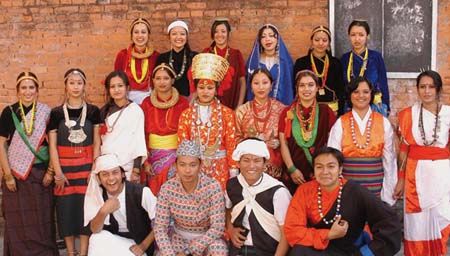
Nepal, nestled (settled, situated) in the Himalayas, is a tapestry of diverse cultures, traditions, and languages. Its rich cultural heritage is a source of immense pride for its people, reflecting a blend of ancient practices, religious beliefs, and historical influences that shape the nation’s identity. From its vibrant (exciting) festivals to its traditional arts, every aspect of Nepalese culture tells a story of resilience (withstand adversity) and beauty. This cultural richness not only defines the Nepalese way of life but also acts as a beacon (example) of unity amidst diversity. As we explore the various facets of Nepalese culture, it becomes clear that this heritage is more than just a collection of practices; it is a profound representation of national pride and collective identity. One of the most striking aspects of Nepalese culture is its deep-rooted religious traditions. The country is predominantly Hindu, with significant Buddhist communities, and these religions play a
central role in daily life. Festivals like Dashain, Tihar, and Holi are celebrated with vibrant enthusiasm, showcasing the unique rituals, music, and dance that characterize Nepalese festivities. Temples, stupas, and monasteries dot (mark) the landscape, each telling stories of spiritual devotion and architectural grandeur.Nepal’s cultural pride extends to its languages and literature. With over 120 languages spoken across the country, each community contributes to a rich linguistic mosaic (variety). Nepali, the official language, serves as a unifying medium, while regional languages preserve local traditions and folklore (traditional stories). Nepali literature, from ancient texts to contemporary works, reflects the diverse experiences and values of the Nepalese people.
Traditional arts and crafts also hold a special place in Nepalese culture. The intricate patterns of Thangka paintings, the skillful craftsmanship of metalwork, and the vibrant designs of hand-woven
fabrics are testaments (evidences) to the artistic heritage passed down through generations. These crafts not only serve aesthetic (artistic, beautiful) purposes but also play a vital role in preserving
cultural identity.
Moreover, Nepal’s cultural pride is manifested (displayed) in its hospitality and communal (common, shared) spirit. The concept of “Atithi Devo Bhava” (the guest is God) underscores the Nepalese commitment to warmth and generosity. This ethos (attitude, character) is evident in everyday interactions and traditional ceremonies, where inclusivity and respect are paramount (dominant).Embracing and preserving these cultural treasures ensures that the essence of Nepalese identity remains vibrant for future generations.
Tulsi Maharjan (Secondary Level English Teacher)