
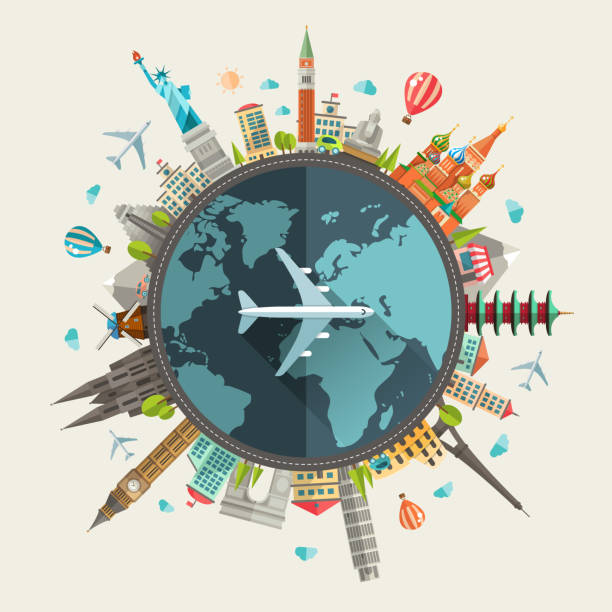
Traveling has always been an integral part of human life, allowing people to explore new places, experience diverse cultures, and gain new perspectives. It is more than just a leisure activity; it is a transformative experience that contributes significantly to personal and societal growth. The benefits of traveling extend beyond mere relaxation; it fosters social connections, enhances emotional well-being, and stimulates intellectual growth.
Social Benefits of Traveling
One of the most significant advantages of traveling is the opportunity to connect with people from different backgrounds. When individuals visit new places, they interact with locals, understand their traditions, and appreciate diverse ways of life. This cultural exchange fosters tolerance, empathy, and mutual respect, which are essential for promoting global harmony. Additionally, traveling helps in building social networks, whether through meeting new friends, strengthening family bonds, or creating professional connections. These interactions enrich personal relationships and broaden one’s understanding of the world.
Emotional Benefits of Traveling
Traveling also has profound emotional benefits. It provides a break from routine life, helping individuals reduce stress and rejuvenate their minds. Visiting new places allows people to immerse themselves in different environments, which can lead to feelings of happiness, excitement, and fulfillment. Moreover, travel fosters self-discovery by pushing individuals out of their comfort zones, encouraging them to adapt to new situations and overcome challenges. Such experiences enhance self-confidence, resilience, and emotional intelligence, contributing to overall mental well-being.
Intellectual Benefits of Traveling
Beyond social and emotional growth, traveling significantly contributes to intellectual development. Exposure to different cultures, languages, and histories broadens one’s knowledge and perspective. Visiting historical sites, museums, and cultural landmarks helps individuals gain a deeper understanding of world history and heritage. Additionally, travel stimulates creativity by exposing individuals to new ideas, traditions, and artistic expressions. Learning about different ways of life encourages critical thinking and a more informed worldview, making travelers more open-minded and knowledgeable.
Conclusion
In conclusion, traveling is much more than a recreational activity; it is an enriching experience that nurtures social, emotional, and intellectual growth. By fostering cultural understanding, reducing stress, and expanding knowledge, travel plays a crucial role in personal and societal development. Whether exploring new countries or discovering hidden gems within one’s own region, the act of traveling brings valuable lessons and unforgettable memories. As the world becomes more interconnected, embracing travel as a means of learning and personal growth becomes increasingly essential. Therefore, everyone should seize the opportunity to travel and experience the vast beauty and wisdom our world has to offer.