
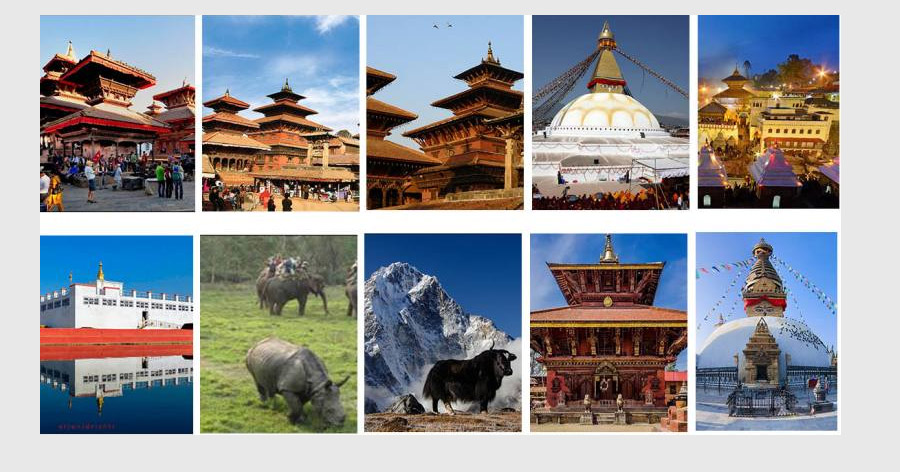
Cultural heritage is the foundation of a nation’s identity. It connects the past with the present and guides future generations in understanding who they are and where they come from. In Nepal, festivals, rituals, art, music, and traditional practices form a rich tapestry of cultural heritage that reflects the values, beliefs, and history of the people. Carrying forward this heritage is not only a responsibility but also a celebration of the diversity and unity that define our society.
Festivals play a vital role in preserving cultural heritage. Celebrations like Dashain, Tihar, and Chhath are more than joyous occasions; they teach important life lessons about unity, respect, and gratitude. Through these festivals, elders pass on traditions, rituals, and stories to the younger generation. Children learn about the significance of family bonds, the triumph of good over evil, and the respect for nature and divine powers. By participating in these customs, young people develop a sense of belonging and pride in their cultural roots.
Cultural heritage is also expressed through art, music, dance, and craftsmanship. Traditional music and dance forms reflect the history and stories of communities, while handicrafts, paintings, and sculptures showcase skill, creativity, and cultural values. Supporting local artists and encouraging the practice of these arts in schools and communities help preserve these traditions for future generations. Each performance, each artwork, and each craft carries the essence of Nepal’s rich cultural legacy.
Language is an essential part of cultural heritage. Nepali and other local languages preserve stories, wisdom, and values of the past. Folktales, proverbs, and poetry teach morals and traditions in ways that connect deeply with people of all ages. By reading, writing, and sharing these works, communities ensure that the knowledge of ancestors is not lost but continues to inspire and guide the youth.
Carrying forward cultural heritage is not only about rituals and arts but also about instilling values in young minds. Respect for elders, compassion for others, honesty, and gratitude are taught through cultural practices. Schools, families, and communities play a crucial role in nurturing these values by including them in daily life and celebrations. When children grow up appreciating their culture, they develop a strong sense of identity and responsibility toward preserving it.
Even in a rapidly changing world, cultural heritage remains relevant. Technology, social media, and global communication can be tools to share and celebrate traditions widely. Documenting festivals, traditional arts, and oral histories ensures that cultural knowledge reaches a larger audience. By embracing both tradition and modernity, society can maintain its roots while evolving to meet the challenges of the present.
Carrying forward our cultural heritage is an act of respect for the past and a commitment to the future. It strengthens identity, fosters unity, and teaches timeless values. By celebrating festivals, preserving arts and language, and passing traditions to the next generation, we honor our ancestors and ensure that the richness of our culture continues to inspire, guide, and bring pride to generations to come.