
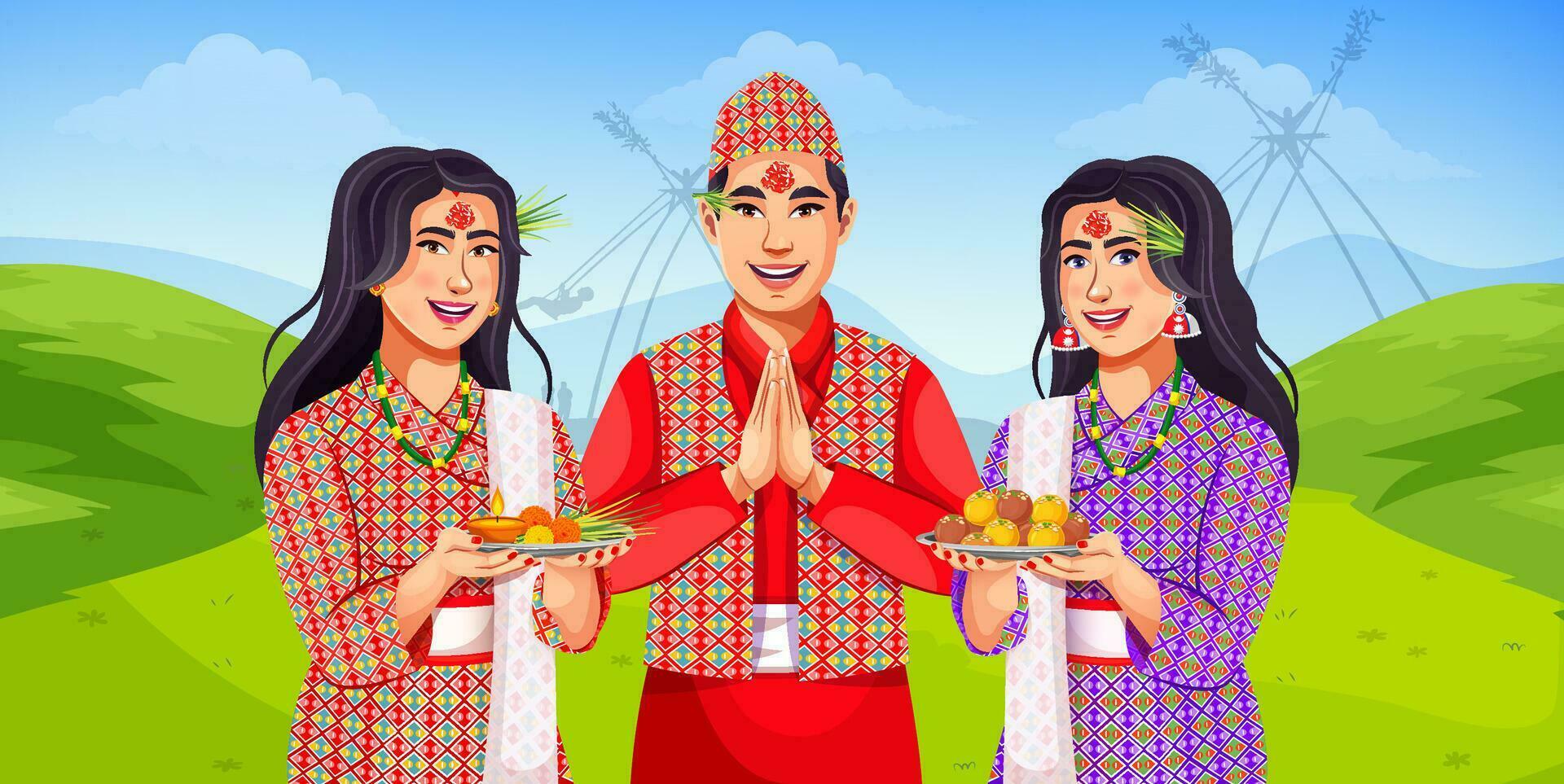
Dashain is the longest and most celebrated festival in Nepal, observed with great devotion, joy, and unity. Spanning fifteen days, it is a time when families reunite, communities come together, and people honor traditions that have been passed down for generations. Dashain is not only a celebration of mythology but also a festival that teaches moral values, cultural pride, and the importance of family and community.
The Significance of Dashain
Dashain symbolizes the victory of good over evil. According to Hindu mythology, the festival commemorates Goddess Durga’s triumph over the demon Mahishasura, who represented injustice and evil. This story teaches people the importance of courage, righteousness, and standing against wrongdoing. Dashain is a reminder that moral integrity and devotion lead to success, peace, and prosperity.
Preparations and Rituals
Preparations for Dashain begin weeks in advance. Families clean and decorate their homes, prepare traditional foods, and purchase new clothes. Markets become lively with people buying tika, jamara, flowers, and festive items. On the day of Ghatasthapana, the first day of Dashain, jamara is planted in a sacred vessel, symbolizing growth, prosperity, and blessings from the goddess.
During the festival, elders bless younger family members with tika and jamara, which is a combination of red vermilion, yogurt, and rice. This ritual conveys love, respect, and good fortune. People also offer prayers to Goddess Durga, seeking her protection, health, and prosperity for the coming year.
Family and Social Bonding
Dashain is a time for family reunions and strengthening relationships. Relatives travel from far and wide to celebrate together, reinforcing the bonds of kinship. Sharing meals, giving gifts, and participating in rituals creates a sense of unity and belonging. The festival is also an opportunity for communities to come together, visit neighbors, and exchange greetings, fostering goodwill and harmony.
Food and Festivities
Food is an essential part of Dashain celebrations. Special dishes, including rice, meat, sweets, and traditional delicacies, are prepared and shared with family and friends. Fairs and cultural programs add excitement, while children eagerly await gifts and blessings. The joyful atmosphere, filled with laughter, music, and colorful decorations, makes Dashain a memorable experience for everyone.
Lessons and Values
Beyond rituals and celebrations, Dashain imparts important life lessons. It encourages respect for elders, compassion for others, and the importance of unity and honesty. The festival teaches that happiness is not only in material offerings but also in love, kindness, and the strength of relationships. Dashain reminds people to uphold cultural values, moral integrity, and devotion while enjoying moments of togetherness.
Passing Traditions to Future Generations
Dashain is a festival that transcends generations. Elders pass down customs, stories, and rituals to the younger generation, ensuring that cultural knowledge and values remain alive. Children learn about mythology, family traditions, and the importance of social harmony, carrying these lessons forward into their own lives.
Conclusion
Dashain is more than a festival; it is a celebration of life, family, morality, and unity. It illuminates homes, hearts, and communities with love, devotion, and happiness. By observing traditions, participating in rituals, and sharing moments with family and friends, people keep the spirit of Dashain alive, preserving a rich cultural heritage while teaching timeless values to future generations.