
Science is all around us, and the best way to learn it is by seeing it in action. While classrooms provide experiments under supervision, there are plenty of safe, fun, and educational science activities students can try at home. These experiments not only spark curiosity but also teach basic scientific concepts in a hands-on way. Here are some exciting experiments students can enjoy with everyday household items.
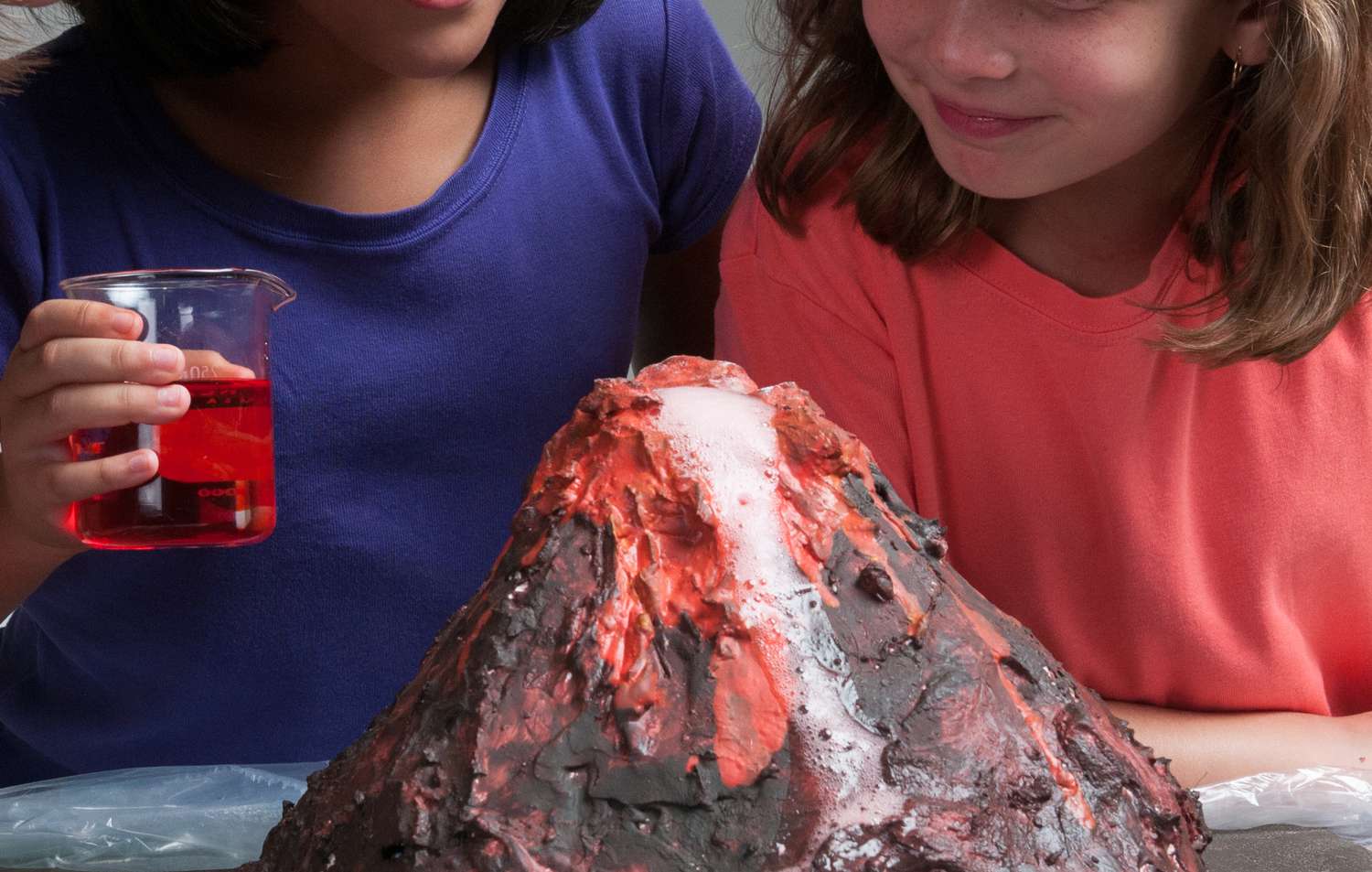
1. Baking Soda and Vinegar Volcano
What You Need:
-
Baking soda
-
Vinegar
-
Food coloring (optional)
-
A small container or a plastic bottle
-
Tray to catch overflow
How to Do It:
-
Place the container on the tray.
-
Add 2–3 tablespoons of baking soda into the container.
-
Pour vinegar slowly into the container.
-
Watch the eruption as the mixture fizzes and bubbles.
Science Behind It:
When baking soda (a base) mixes with vinegar (an acid), it produces carbon dioxide gas. This gas creates the bubbling, “erupting” effect that looks like a volcano.
2. Rainbow in a Glass
What You Need:
-
Sugar
-
Water
-
Food coloring
-
Clear glass
How to Do It:
-
Dissolve different amounts of sugar in separate cups of water.
-
Add different food coloring to each cup.
-
Carefully layer the colored water in a glass, starting with the densest solution (most sugar) at the bottom.
Science Behind It:
The different sugar concentrations create liquids with varying densities. Denser liquids stay at the bottom, creating a colorful layered “rainbow” effect.
3. Walking Water Experiment
What You Need:
-
3 clear glasses
-
Water
-
Food coloring
-
Paper towels
How to Do It:
-
Fill the first and third glass with water and add different food colors.
-
Leave the middle glass empty.
-
Fold paper towels into strips and place one end in colored water and the other in the empty glass.
-
Watch the water “walk” into the empty glass and mix colors.
Science Behind It:
This experiment demonstrates capillary action, which is how water moves through materials. The colored water travels up the paper towel and into the empty glass.
4. Balloon Rocket
What You Need:
-
Balloon
-
String
-
Straw
-
Tape
How to Do It:
-
Thread a string through a straw and tie the string between two chairs or walls.
-
Inflate a balloon but don’t tie it.
-
Tape the balloon to the straw.
-
Let go of the balloon and watch it zoom along the string.
Science Behind It:
This is a simple demonstration of Newton’s Third Law of Motion: for every action, there is an equal and opposite reaction. The air rushing out of the balloon propels it forward.
5. Magic Milk Experiment
What You Need:
-
Plate
-
Milk
-
Food coloring
-
Dish soap
-
Cotton swab
How to Do It:
-
Pour milk onto a plate until it covers the bottom.
-
Add drops of different food coloring on the milk surface.
-
Dip a cotton swab in dish soap and touch it to the milk.
-
Watch the colors swirl magically.
Science Behind It:
Soap reduces the surface tension of milk and reacts with fat molecules, creating the swirling patterns.
6. Homemade Slime
What You Need:
-
White glue
-
Baking soda
-
Contact lens solution (containing boric acid)
-
Food coloring (optional)
How to Do It:
-
Mix 4 tablespoons of glue with 1 tablespoon of baking soda.
-
Add a few drops of food coloring.
-
Slowly add contact lens solution until the mixture turns into slime.
-
Knead until it becomes stretchy and fun to play with.
Science Behind It:
Slime is a polymer, a substance with long chains of molecules. The contact lens solution causes the glue molecules to link together, creating stretchy slime.
7. Static Electricity Butterfly
What You Need:
-
Tissue paper
-
Balloon
-
Scissors
-
Straw
How to Do It:
-
Cut out a butterfly from tissue paper.
-
Blow up a balloon and rub it on your hair or a wool sweater.
-
Hold the balloon near the butterfly without touching it. Watch it move or “fly.”
Science Behind It:
Rubbing the balloon creates static electricity, which attracts the lightweight tissue paper and makes it move.
Why Students Should Try Experiments at Home
-
Hands-On Learning: Students understand scientific concepts better when they see them in action.
-
Boosts Curiosity: Experiments make learning fun and spark curiosity about the world.
-
Problem-Solving Skills: Students learn to predict, observe, and analyze results.
-
Family Involvement: Parents and siblings can join in, making learning a shared experience.
Tips for Safe Experiments at Home
-
Always have adult supervision for experiments involving reactions or heat.
-
Use safe, non-toxic materials.
-
Protect surfaces with trays or newspaper.
-
Clean up after each experiment to avoid mess or accidents.
Conclusion
Science doesn’t have to be complicated. With a few household items, students can explore the wonders of chemistry, physics, and biology at home. These fun experiments not only teach important scientific principles but also make learning an exciting adventure. So, pick an experiment, gather your materials, and start exploring the magic of science today!