
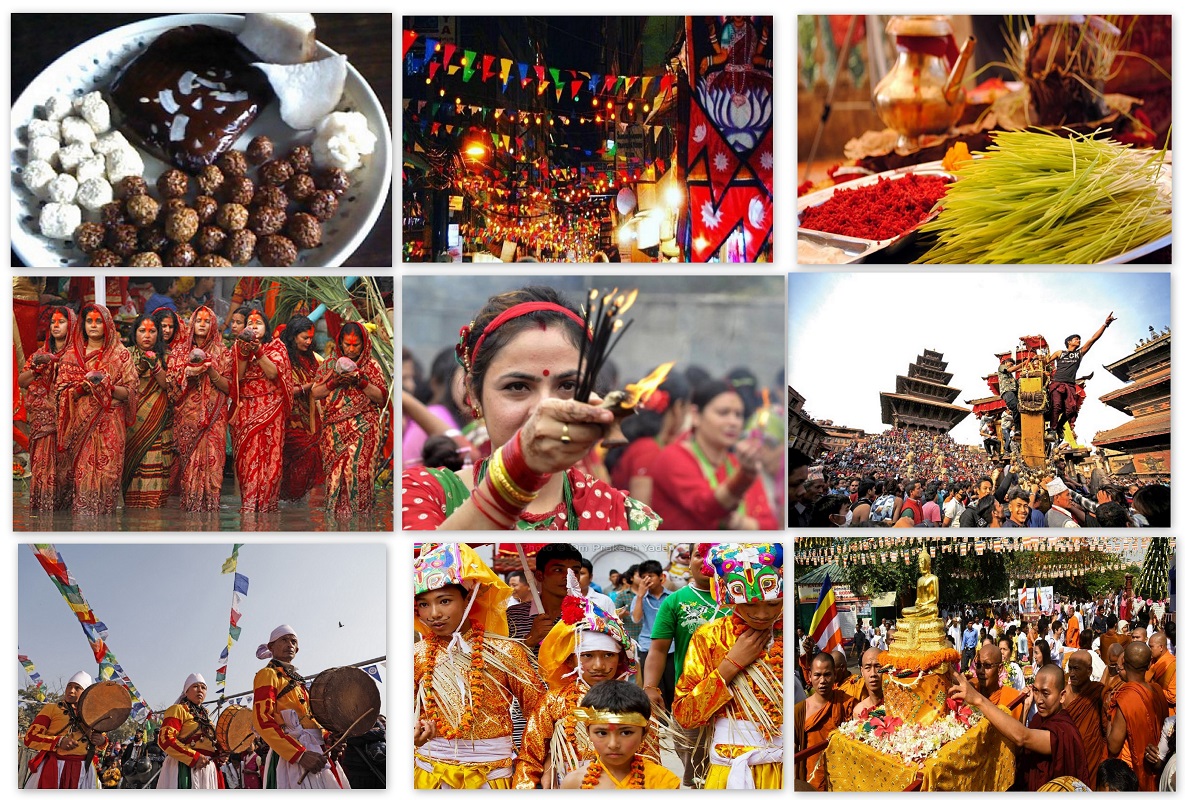
Festivals are more than just days of celebration. They are living lessons passed down through generations. In every culture, festivals carry deep meaning, bringing families and communities together while also teaching us values that shape our lives. For students especially, festivals are not only fun breaks from school but also important opportunities to learn about tradition, responsibility, and character.
1. The Value of Togetherness
Festivals remind us that happiness is best when shared. Whether it is gathering for Dashain tika, lighting diyos during Tihar, or celebrating national and international festivals, the core message is unity. Students learn that life is not just about individual success but also about family bonds, friendships, and community spirit.
2. Respect for Culture and Tradition
By participating in festivals, students connect with their cultural identity. They learn the meanings behind rituals, prayers, and traditions that have been preserved for centuries. This respect for heritage builds pride in one’s roots and encourages students to carry forward cultural values with sincerity.
3. Lessons in Gratitude and Respect
Most festivals involve blessings from elders, exchanging greetings, or offering prayers. These practices teach gratitude by thanking parents, teachers, and elders for their guidance. They also cultivate respect for nature, animals, and the divine. For example, during Tihar, honoring dogs, cows, and crows shows us the value of caring for all living beings.
4. Sharing and Generosity
Festivals always encourage giving, whether it is distributing sweets, donating to the needy, or welcoming guests. Through these acts, students learn that joy increases when shared. Generosity, kindness, and compassion are values that festivals reinforce, helping children grow into responsible and empathetic individuals.
5. Discipline and Responsibility
Preparing for festivals involves planning, cleaning, and organizing. Children who help parents decorate homes, prepare food, or manage rituals learn responsibility. They understand the discipline required to balance fun with duties, a lesson that applies equally to their studies and daily life.
6. Creativity and Expression
Festivals are also platforms for creativity. Making rangoli during Tihar, flying kites in Dashain, or participating in cultural dances and songs allows students to express themselves artistically. Such activities develop imagination, teamwork, and self confidence.
7. Hope and Renewal
Most festivals symbolize victory of good over evil, light over darkness, or knowledge over ignorance. Students absorb these lessons of hope, courage, and positivity. They are reminded that challenges in life can be overcome with determination and faith.
Conclusion
Festivals are classrooms without walls. They teach lessons no textbook can fully capture such as love, respect, sharing, discipline, creativity, and resilience. For students, celebrating festivals is not only about joy but also about learning values that guide them for life.
As a school family, let us encourage our children to celebrate festivals meaningfully, embracing both joy and wisdom. May every festival be a step toward building kind, respectful, and responsible individuals. 🌸