
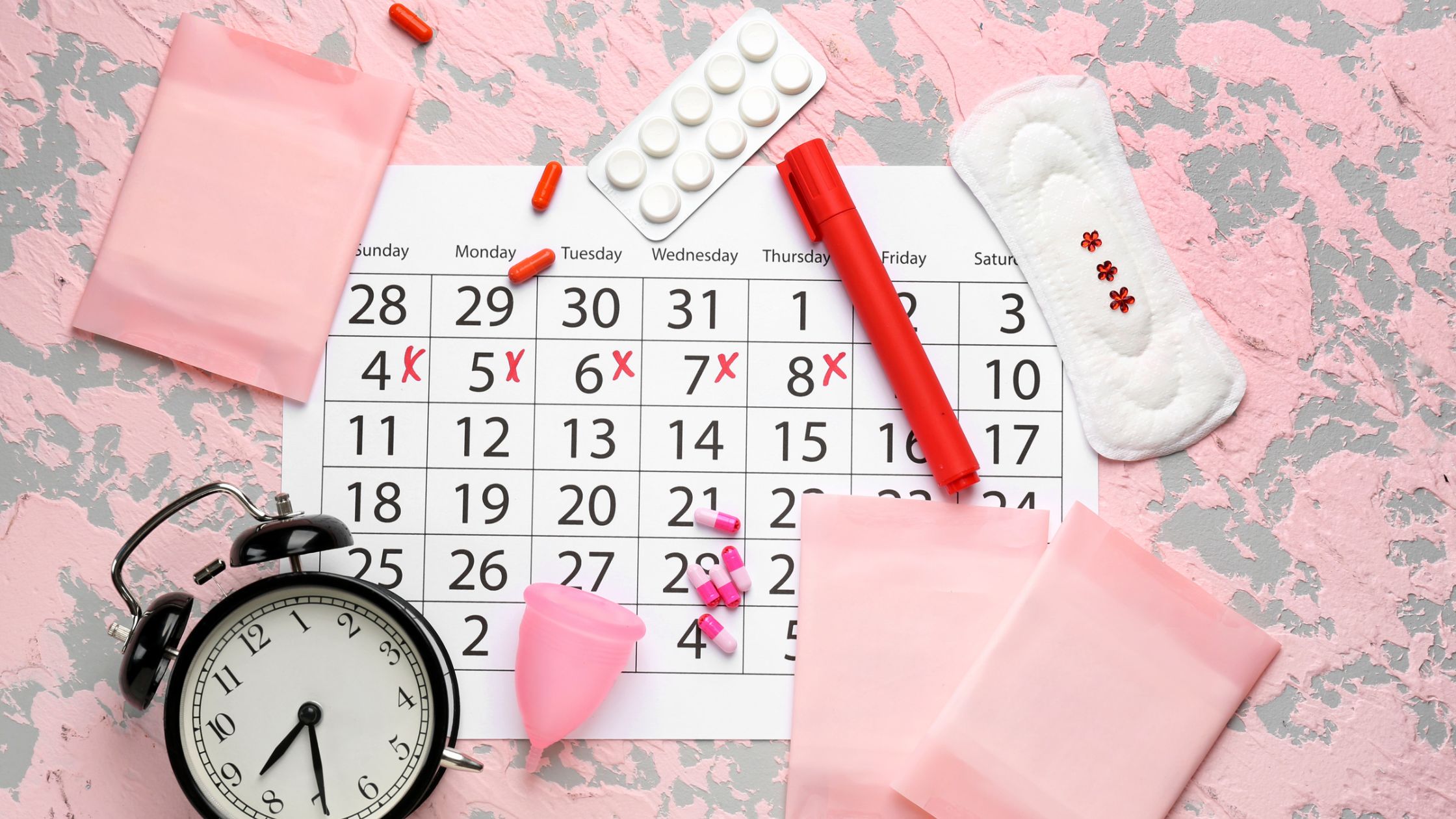
Menstruation is a natural biological process that occurs in the female body as part of the reproductive cycle. It is a sign of puberty and a crucial aspect of a woman’s reproductive health, yet it remains a topic often surrounded by stigma, misinformation, and cultural taboos. Understanding menstruation is essential not only for women but for society as a whole, as it plays a significant role in health, gender equality, and social development.
The Biological Process
Menstruation, also known as a menstrual period, is the shedding of the uterine lining that occurs when a woman’s egg, released during ovulation, is not fertilized. This process typically begins in girls between the ages of 11 and 14, although it can start earlier or later, marking the onset of puberty. The menstrual cycle, which lasts about 28 days on average, involves several phases: menstruation, the follicular phase, ovulation, and the luteal phase.
During menstruation, which usually lasts between 3 to 7 days, blood and tissue from the lining of the uterus flow out of the body through the vagina. This monthly cycle continues until menopause, which typically occurs between the ages of 45 and 55, marking the end of a woman’s reproductive years.
Menstruation and Reproductive Health
Menstruation is an indicator of reproductive health. Regular periods are a sign that a woman’s reproductive system is functioning normally, while irregularities in the menstrual cycle can indicate underlying health issues. Conditions such as polycystic ovary syndrome (PCOS), endometriosis, and uterine fibroids can all affect the menstrual cycle and may lead to complications if left untreated.
Proper menstrual hygiene is essential for maintaining reproductive health. This includes using sanitary products such as pads, tampons, or menstrual cups, changing them regularly, and maintaining good genital hygiene. Lack of access to menstrual hygiene products can lead to infections and other health issues, which is why menstrual equity—ensuring that all women have access to these products—is a critical public health issue.
Cultural and Social Perspectives
Despite being a normal biological process, menstruation is often stigmatized in many cultures. Myths and taboos surrounding menstruation can lead to misinformation and discrimination. In some societies, menstruating women are considered impure and are excluded from certain activities or spaces. This can have a detrimental effect on a girl’s education, as many girls miss school during their periods due to shame, fear, or lack of access to menstrual hygiene products.
Education and awareness are key to breaking down these barriers. By providing accurate information about menstruation and promoting open conversations, we can combat the stigma and empower women to manage their periods with dignity. Menstrual education should be included in school curriculums to ensure that both girls and boys understand the process and its importance.
The Importance of Menstrual Equity
Menstrual equity refers to the equal access to menstrual products, education, and facilities for all individuals who menstruate. In many parts of the world, especially in low-income communities, women and girls do not have access to the products they need to manage their periods safely and comfortably. This lack of access can lead to health problems, missed educational opportunities, and social isolation.
Efforts to achieve menstrual equity include providing free or affordable menstrual products, improving access to clean water and sanitation facilities, and promoting comprehensive menstrual health education. Governments, NGOs, and the private sector all play a role in advancing menstrual equity, which is essential for gender equality and social justice.
Taking care of yourself during menstruation is important for managing discomfort, maintaining hygiene, and ensuring overall well-being. Here are some tips on how to care for yourself during your period:
1. Maintain Good Hygiene
- Use Sanitary Products: Choose the right menstrual products, such as pads, tampons, or menstrual cups, based on your comfort and flow. Change them regularly to avoid infections.
- Regular Washing: Clean your genital area with warm water at least twice a day. Avoid using harsh soaps or scented products that can cause irritation.
- Wear Comfortable Clothing: Opt for breathable, cotton underwear and loose-fitting clothes to stay comfortable and avoid irritation.
2. Manage Pain and Discomfort
- Pain Relief: Use over-the-counter pain relievers like ibuprofen or acetaminophen to alleviate menstrual cramps. Always follow the recommended dosage.
- Heat Therapy: Applying a heating pad or warm water bottle to your lower abdomen can help relax muscles and reduce cramps.
- Gentle Exercise: Light activities like walking, stretching, or yoga can improve blood circulation and reduce cramping.
3. Stay Hydrated and Eat Well
- Drink Plenty of Water: Staying hydrated helps reduce bloating and keeps your body functioning smoothly.
- Balanced Diet: Eat a diet rich in fruits, vegetables, whole grains, and lean proteins. Foods high in magnesium, such as nuts, seeds, and leafy greens, can help alleviate cramps.
- Limit Caffeine and Salt: Excessive caffeine and salty foods can increase bloating and discomfort. Opt for herbal teas like chamomile or ginger, which can have soothing effects.
4. Rest and Sleep
- Prioritize Rest: Listen to your body and rest when needed. Adequate sleep can help manage mood swings and reduce fatigue.
- Sleep Comfortably: Use extra pillows or a heating pad to find a comfortable sleeping position that eases cramps.
5. Emotional Care
- Manage Mood Swings: Hormonal changes can affect your mood. Practice relaxation techniques like deep breathing, meditation, or listening to calming music to manage stress.
- Talk About It: If you’re feeling overwhelmed, talk to a friend, family member, or counselor. Sharing your feelings can provide relief.
6. Track Your Cycle
- Monitor Symptoms: Keep track of your menstrual cycle, noting symptoms like cramps, mood changes, or flow patterns. This helps you anticipate and prepare for your period.
- Consult a Healthcare Professional: If you experience severe pain, heavy bleeding, or irregular periods, seek medical advice. These could be signs of underlying health conditions.
7. Stay Active
- Light Exercise: Gentle exercise can help reduce bloating, improve your mood, and even ease cramps. Activities like yoga, stretching, or a brisk walk can be beneficial.
- Listen to Your Body: While staying active is good, it’s also important to rest if you’re feeling particularly fatigued.
Being pre-prepared for menstruation can help you manage your period with ease and reduce stress when it arrives unexpectedly. Here’s a guide on how to be ready:
1. Track Your Menstrual Cycle
- Use a Calendar or App:
- Track your menstrual cycle using a calendar or a period tracking app. This helps you predict when your period will start and identify any irregularities.
- Note Symptoms:
- Record symptoms like cramps, mood changes, or bloating that typically occur before your period to help you recognize when it’s about to begin.
2. Prepare a Period Kit
- Essentials in Your Bag:
- Keep a small pouch with sanitary products (pads, tampons, menstrual cups), pain relief medication (like ibuprofen), and panty liners in your bag, backpack, or locker.
- Backup Supplies:
- Include an extra pair of underwear and a travel-size pack of wet wipes for hygiene.
3. Stock Up on Menstrual Products
- Variety of Products:
- Ensure you have a supply of your preferred menstrual products at home. Consider having different sizes or absorbency levels for different days of your period.
- Reusable Products:
- If you use reusable menstrual products like menstrual cups or period panties, make sure they are cleaned and ready for use.
4. Prepare for Cramps and Discomfort
- Pain Relief:
- Keep pain relief medications on hand, such as ibuprofen or acetaminophen, to manage cramps.
- Heating Pad or Hot Water Bottle:
- Have a heating pad or hot water bottle ready to soothe cramps and lower back pain.
- Comfortable Clothing:
- Set aside comfortable, loose-fitting clothing, such as leggings or soft pajama pants, for when you’re at home.
5. Diet and Hydration
- Eat Well:
- In the days leading up to your period, focus on a balanced diet rich in fruits, vegetables, whole grains, and lean proteins. Foods high in magnesium (like nuts and leafy greens) can help reduce cramps.
- Stay Hydrated:
- Drink plenty of water to reduce bloating and support overall well-being.
6. Emotional and Mental Preparation
- Manage Stress:
- Practice relaxation techniques such as deep breathing, meditation, or gentle yoga to manage stress and mood swings that might occur before your period.
- Open Communication:
- Talk to friends, family, or a partner about your needs during your period, whether it’s for support, understanding, or help with chores.
7. Prepare Your Environment
- Keep Essentials Accessible:
- Ensure that menstrual products, pain relief, and comfortable clothing are easily accessible in your bedroom or bathroom.
- Extra Bed Protection:
- Use a mattress protector or an extra towel on your bed during your period to prevent stains.
8. Stay Active
- Light Exercise:
- Engage in light physical activity, such as walking or stretching, to help alleviate cramps and improve your mood.
9. Know Your Body
- Recognize Signs:
- Learn to recognize signs that your period is approaching, such as breast tenderness, slight cramping, or mood changes, so you can be better prepared.
10. Emergency Preparedness
- Plan for the Unexpected:
- If you’re expecting your period soon, plan ahead if you’ll be away from home. Carry your period kit, wear dark-colored clothing, and know where you can access restrooms. In conclusion, being prepared for menstruation is key to managing your period with ease, comfort, and confidence. By tracking your cycle, keeping a well-stocked period kit, and having a plan in place for cramps and discomfort, you can reduce stress and handle your period smoothly, whether at home, school, or work. Paying attention to your diet, staying hydrated, and maintaining open communication about your needs also contribute to a more positive menstrual experience. Ultimately, understanding your body and being proactive allows you to embrace menstruation as a natural part of life, empowering you to stay active and confident during your period.