
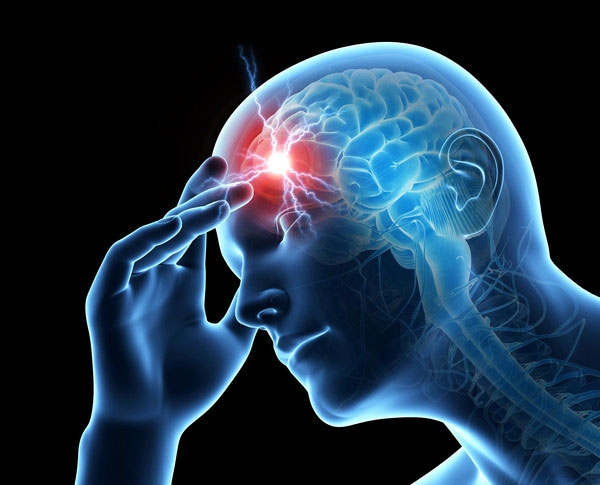
Headaches are one of the most common health complaints worldwide, affecting people of all ages and backgrounds. While they can range from mild to severe, headaches often disrupt daily activities, productivity, and overall well-being. Understanding the causes, types, and treatments of headaches is essential for managing this pervasive condition effectively.
Causes of Headaches
Headaches can arise from a wide variety of causes, each impacting individuals differently. Among the most common triggers are stress and tension, which often lead to tension-type headaches. These headaches result from muscle contractions in the head, neck, and shoulders, typically due to emotional stress, anxiety, or physical strain. Another prevalent cause is dehydration, where the lack of sufficient fluids in the body can cause the brain to contract temporarily, leading to pain. This type of headache is frequently accompanied by other symptoms such as dry mouth and fatigue.
Diet also plays a crucial role in the onset of headaches. Certain foods and beverages, such as caffeine, alcohol, chocolate, and aged cheeses, can trigger headaches in susceptible individuals. Moreover, skipping meals or experiencing low blood sugar can also lead to headaches. Hormonal changes, particularly in women, are another significant factor. Fluctuations in hormone levels during menstruation, pregnancy, or menopause can trigger hormonal headaches or migraines.
Environmental factors, such as exposure to bright lights, strong odors, loud noises, or allergens, can also lead to headaches. Weather changes, including sudden drops in temperature or humidity, are known triggers for many individuals. Additionally, physical exertion, especially when combined with dehydration or poor nutrition, can cause exertion headaches, which typically occur during or after intense physical activity.
In some cases, headaches can be symptomatic of underlying medical conditions. High blood pressure, sinus infections, brain tumors, and neurological disorders can all present with headaches as a primary symptom. In such cases, it is crucial to address the underlying condition to alleviate the headache effectively.
Types of Headaches
Headaches can be broadly classified into several types, each with its own set of characteristics and treatment approaches. The most common type is the tension headache, characterized by a constant, dull ache on both sides of the head. This type of headache is often associated with stress, anxiety, or poor posture and can last from 30 minutes to several days.
Migraines are another prevalent type of headache, often more severe and debilitating than tension headaches. Migraines are typically described as a throbbing or pulsating pain on one side of the head and are often accompanied by nausea, vomiting, and extreme sensitivity to light and sound. Some individuals experience visual disturbances known as auras before the onset of a migraine. Migraines can last from a few hours to several days and may recur frequently, significantly impacting the sufferer’s quality of life.
Cluster headaches are less common but extremely painful. These headaches occur in cyclical patterns or clusters, with periods of frequent headaches followed by remission. The pain is typically intense and concentrated around one eye or on one side of the head. Cluster headaches may also be accompanied by redness, tearing, nasal congestion, or a drooping eyelid.
Sinus headaches result from inflammation in the sinus cavities, often due to infections, allergies, or colds. The pain is usually felt in the forehead, cheeks, and around the eyes and is often accompanied by a runny nose, fever, and facial swelling. Treatment for sinus headaches typically involves addressing the underlying sinus condition.
Another type of headache is the rebound headache, also known as a medication-overuse headache. This type occurs when individuals take pain medications too frequently, leading to a cycle of dependency. Over time, the body becomes reliant on these medications, and headaches occur when the medication is not taken.
Hormonal headaches are directly related to hormonal fluctuations, particularly in women. These headaches often occur around the time of menstruation, pregnancy, or menopause and are similar to migraines in their presentation. Cervicogenic headaches, on the other hand, originate in the cervical spine (neck) but are perceived as pain in the head. These headaches are often caused by issues like arthritis, poor posture, or injuries to the neck.
The Role of Visual Changes in Headaches
Visual changes are a significant factor in the development of headaches. Eye strain, especially from prolonged use of digital screens, is a common cause of headaches. This condition, known as digital eye strain or computer vision syndrome, results from the constant focusing and refocusing of the eyes, often exacerbated by exposure to blue light from screens. Individuals with uncorrected vision problems, such as nearsightedness (myopia), farsightedness (hyperopia), or presbyopia, are also at risk of developing headaches. The effort required to compensate for these visual impairments can lead to significant discomfort and pain.
More serious visual conditions, such as glaucoma, can also cause headaches. Glaucoma is a group of eye conditions that damage the optic nerve, often due to high intraocular pressure. Acute angle-closure glaucoma, in particular, can cause sudden, severe headaches accompanied by visual disturbances like halos around lights, blurred vision, and eye pain. Migraines with aura are another example, where visual disturbances precede the onset of a migraine. These auras can include flashing lights, zigzag patterns, blind spots, or temporary loss of vision. Ocular migraines, which specifically affect vision, can lead to temporary vision loss or visual disturbances in one eye, followed by a headache.
Treatment and Management of Headaches
Effective treatment of headaches depends on the underlying cause and the specific type of headache. For tension headaches, lifestyle modifications such as regular physical activity, stress management techniques, and proper posture can be highly effective. Over-the-counter pain relievers like ibuprofen, aspirin, or acetaminophen are often sufficient for managing mild to moderate headaches.
For more severe headaches, such as migraines, prescription medications may be necessary. Triptans, ergotamines, and preventive medications like beta-blockers or anticonvulsants can help reduce the frequency and intensity of migraines. In some cases, Botox injections have been approved as a preventive treatment for chronic migraines, offering relief to individuals who experience frequent and debilitating attacks.
Addressing visual changes is also crucial in managing headaches. Regular eye exams can help identify and correct vision problems, reducing the strain on the eyes and preventing headaches. For those who spend long hours in front of screens, following the 20-20-20 rule—taking a 20-second break to look at something 20 feet away every 20 minutes—can help reduce digital eye strain.
In cases where headaches are caused by an underlying medical condition, treating that condition is essential for relieving the headache. For example, managing high blood pressure, treating sinus infections, or addressing hormonal imbalances can significantly reduce the frequency and severity of headaches.
Conclusion
Headaches are a complex and multifaceted health issue, with a wide range of causes and types. While many headaches can be managed with simple lifestyle changes and over-the-counter medications, others require more targeted treatment approaches. Understanding the role of visual changes and other underlying factors in the development of headaches is crucial for effective management and prevention. By addressing these factors and seeking appropriate medical care when necessary, individuals can significantly reduce the impact of headaches on their daily lives and overall well-being.