
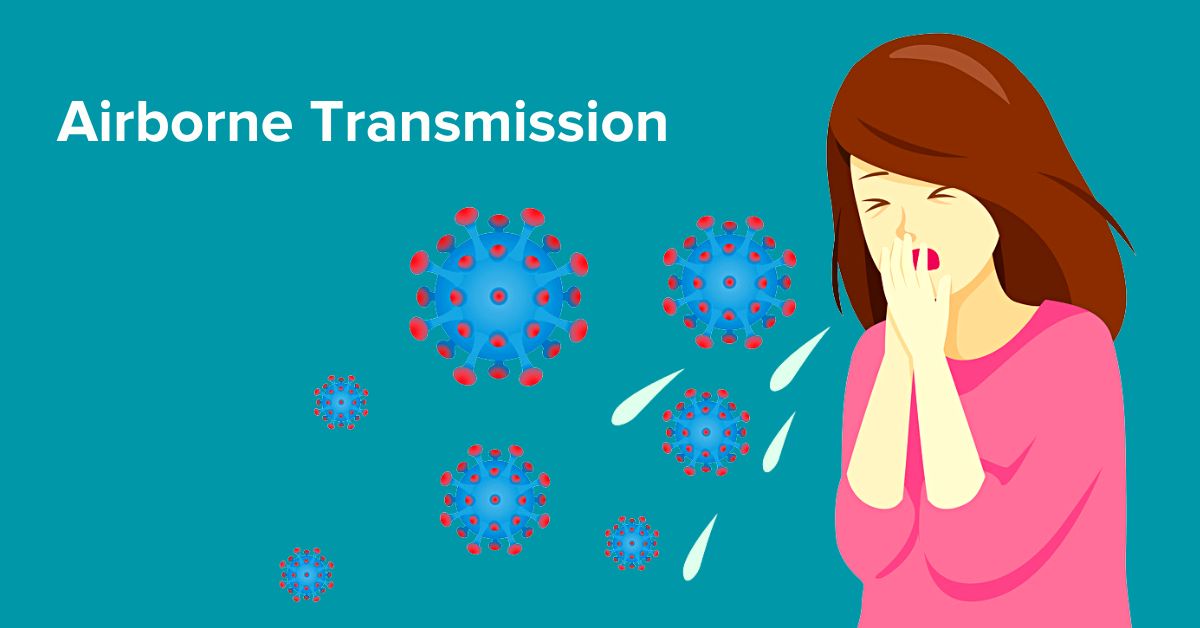
Airborne disease is a type of illness that spreads through the air when infected individuals release tiny droplets or particles containing harmful germs. These particles are often invisible to the eye and can travel through the air when someone coughs, sneezes, talks, or even breathes. Because these germs float in the surrounding air for a period of time, they can reach people who are nearby or even at a distance, making airborne diseases some of the most contagious infections known to humans. Understanding how these diseases spread and how we can protect ourselves is an important part of maintaining public health.
Airborne disease can be caused by viruses, bacteria, or fungal organisms. These germs are carried in droplets that leave the body at different speeds depending on the activity. For example, coughing and sneezing release more droplets than talking or breathing. Some droplets remain large and fall to the ground quickly, while others evaporate into smaller particles that stay suspended in the air for a longer time. Once these particles are inhaled by another person, they can settle in the respiratory system and begin to multiply, causing illness. This process happens silently, which is why airborne diseases can spread before people notice any symptoms.
There are many examples of airborne diseases that have affected communities around the world. The common cold and influenza are among the most familiar. They cause symptoms such as fever, sore throat, congestion, tiredness, and body aches. Measles and chickenpox are also airborne diseases that spread extremely quickly, especially among children who spend time in classrooms and playgrounds. Tuberculosis is another important airborne disease caused by bacteria that affects the lungs and can be serious if not treated. These diseases can vary in severity, but they share one thing in common: their ability to travel through the air makes them difficult to control without proper awareness and prevention.
The spread of airborne disease is influenced by several factors. Enclosed spaces with poor ventilation allow germs to remain in the air for a longer time, increasing the risk of transmission. Crowded places such as schools, public transport, hospitals, and offices are common environments where airborne infections spread. Weather conditions also play a role. For example, cold weather encourages people to stay indoors with windows closed, which reduces fresh airflow and increases the chance of inhaling contaminated air. Personal habits such as covering the mouth while coughing or washing hands regularly can either reduce or increase the risk of disease depending on how well they are practiced.
Preventing airborne diseases requires a combination of personal responsibility and community effort. One of the simplest preventive measures is maintaining good respiratory hygiene. Covering the mouth and nose with a tissue or the elbow while coughing or sneezing helps reduce the spread of droplets. Handwashing is another essential habit, as germs can settle on surfaces and transfer to hands which may later touch the face. Wearing masks during outbreaks or in crowded places can significantly reduce exposure to airborne germs. Masks act as a barrier that prevents droplets from entering or leaving the respiratory system. Ensuring good ventilation by keeping windows open or using air purifiers also helps reduce the concentration of germs in indoor spaces.
Vaccination is one of the most powerful tools in the fight against airborne diseases. Many severe illnesses such as measles, influenza, and chickenpox can be prevented through timely vaccination. Vaccines prepare the immune system to fight off infections effectively, reducing the chances of becoming sick or spreading disease to others. Public awareness programs and school health campaigns play a major role in reminding communities about the importance of vaccination, especially for children who are more vulnerable to respiratory infections.
Proper medical care is essential once symptoms of airborne disease appear. Seeking treatment early helps prevent complications and reduces the chances of spreading the infection to others. Individuals who are sick should stay at home, rest, and avoid close contact with others until they recover. Teachers, parents, and employers also have a responsibility to encourage sick individuals to remain at home rather than participating in crowded activities. This simple step can significantly reduce outbreaks in schools and workplaces.
Airborne disease continues to be a major health challenge because it spreads easily and often unnoticed. However, with proper understanding, responsible behavior, and cooperation among individuals and communities, it is possible to reduce infection rates and protect public health. The lessons learned from various outbreaks around the world remind us that prevention is always better than cure. By practicing good hygiene, improving ventilation, following medical advice, and staying informed, we can build a healthier and safer environment for everyone.