
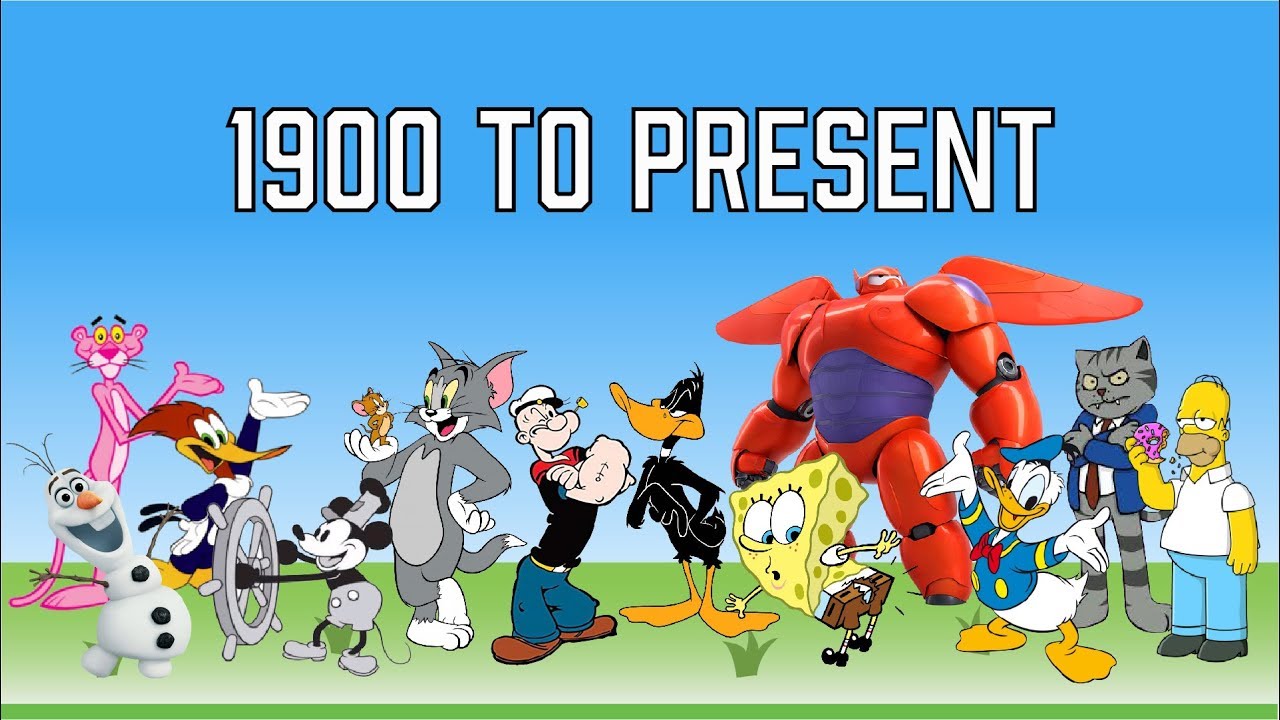
Cartoons are a unique and fascinating part of art and entertainment. They have the power to make people laugh, think, and even learn new things. Today cartoons appear everywhere, from television screens and comic books to movies and online videos. But cartoons did not appear suddenly. Their history is long and interesting, showing how art, humor, and storytelling have developed over centuries.
The earliest forms of cartoons can be traced back thousands of years. Ancient civilizations such as the Egyptians, Greeks, and Romans used drawings and sketches to tell stories, convey messages, or even make political statements. Some of these drawings were simple images on walls, papyrus, or pottery. They often included exaggerated features or humorous elements, which made them similar to modern cartoons in some ways. These early drawings show that humans have always enjoyed using images to communicate ideas creatively.
In the Middle Ages and the Renaissance, cartoons became more refined. Artists used them in books and newspapers to make social or political commentary. The word “cartoon” originally came from the Italian word “cartone,” which meant a strong paper or cardboard used for making detailed drawings before creating paintings or tapestries. These sketches often included exaggerated figures or funny situations. Over time the term cartoon began to be associated with humorous or satirical drawings.
In the eighteenth and nineteenth centuries, cartoons became very popular in newspapers and magazines. Artists drew caricatures and comic strips to comment on politics, society, or everyday life. These cartoons were an important way for people to understand current events, share opinions, and enjoy humor. Newspapers such as Punch in England and many others around the world helped cartoons become a recognized art form. They were no longer just sketches but a powerful medium to entertain and educate.
The twentieth century brought a revolution in cartoons with the invention of animation. Animators discovered how to make drawings move, creating the first animated films. Early cartoons like Gertie the Dinosaur and Felix the Cat amazed audiences and set the stage for famous studios like Walt Disney. Characters such as Mickey Mouse, Bugs Bunny, and Tom and Jerry became household names. Cartoons were no longer just drawings on paper; they became lively characters that could speak, act, and tell stories in motion. This was a magical step in the history of entertainment.
Technology and computers later transformed cartoons even further. With the help of digital tools, animators could create highly detailed images, special effects, and realistic movements. Today, cartoons appear not only in traditional forms like comic books and television shows but also in video games, online platforms, and movies. Modern cartoons can be funny, educational, adventurous, or emotional. They reach audiences of all ages and cultures, proving that the art form continues to grow and inspire.
Cartoons have also played an important role in education and society. They can teach lessons, explain scientific concepts, or introduce historical events in ways that are easy to understand. Through cartoons, students learn while being entertained, making learning more enjoyable. Cartoons also allow artists to comment on society, share opinions, and express creativity in ways that words alone cannot. They combine art, storytelling, and humor, making them a unique and influential medium.
In conclusion, the history of cartoons is a story of creativity, innovation, and imagination. From ancient sketches on walls to digital animations on screens, cartoons have evolved but their purpose remains the same: to entertain, inspire, and communicate. They reflect human culture, humor, and the power of imagination. Understanding the history of cartoons helps us appreciate the creativity and effort behind every character, every story, and every laugh they bring. Cartoons are more than just entertainment; they are a celebration of art and imagination that continues to delight generations all over the world.